Reviewing the Cute Spooky Nurse Halloween Design
As a designer who has spent countless hours staring at digitizing software and troubleshooting thread breaks, I approach every new machine embroidery design with a mix of curiosity and skepticism. We all know that what looks crisp on a screen does not always translate cleanly to fabric. Recently, I took a close look at the Cute Spooky Nurse Halloween graphic set to evaluate its potential for real-world application. This is not just a digital asset; it is a potential cornerstone for seasonal crafts and holiday merchandise.
First Impressions and Visual Personality
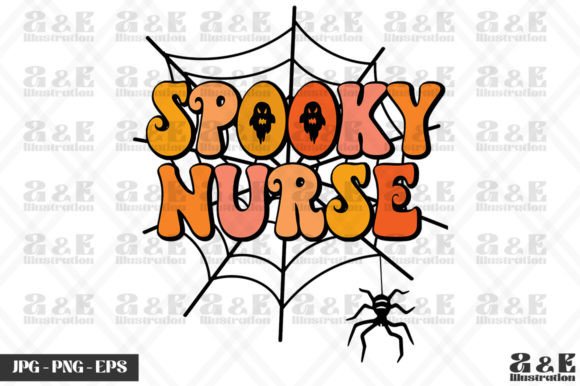
The immediate appeal of the Cute Spooky Nurse Halloween concept lies in its balance. Halloween designs often lean too heavily into gore or complexity, which can be a nightmare for embroidery due to excessive stitch counts and tiny details that get lost in the fabric texture. This design, however, leans into "cute spooky," a aesthetic that performs exceptionally well in the current market. The visual personality is approachable yet thematic, making it versatile for a wide demographic, from children’s apparel to trendy adult accessories.
When reviewing the provided files—specifically the high-resolution PNG at 300 dpi, EPS, JPEG, and the included SVG—I noticed the clarity of the lines. For those of us working in Graphics and sublimation, the quality of the source file is paramount. The note that the SVG is not layered out is crucial. It means you cannot simply isolate elements for multi-color separation without additional editing work. However, for sublimation transfers or print-on-demand projects, this flat structure is often sufficient and easier to manage.
Real-World Application: The Tote Bag Test
To truly understand the value of an embroidery project, I mentally placed this design on a canvas tote bag. This is a staple item for any Etsy seller or small shop product line. Imagine a natural cotton tote with the nurse character stitched in vibrant thread colors against the neutral background. The contrast would be striking. Because the design is likely bold and character-focused, it avoids the pitfall of getting lost in the weave of heavier fabrics like canvas or denim.
Beyond totes, consider sweatshirt embroidery. A crewneck sweatshirt in heather grey or black provides an excellent backdrop for this theme. The "cute" aspect softens the Halloween motif, making it wearable beyond October 31st. It transitions well into the general autumn season, extending the shelf life of your handmade product. For custom apparel businesses, this design offers a quick turnaround potential because it does not appear to rely on micro-details that require slow stitching speeds or frequent trims.
Navigating Technical Constraints
While the visual appeal is strong, practical application requires caution. Since the primary deliverables are graphic files (PNG, EPS, JPEG, SVG) rather than native embroidery formats like DST or PES, there is a critical step missing for machine users: digitizing. If you are an embroidery designer, you will need to convert these graphics into an embroidery file. This is where your expertise matters.
When converting this Cute Spooky Nurse Halloween image, pay close attention to stitch density. Graphic illustrations often have solid blocks of color that, if translated directly into fill stitch areas, can cause puckering on lighter fabrics. You must adjust the underlay and pull compensation. For textured fabrics like terry cloth towels or fleece blankets, a satin stitch border might be necessary to define edges clearly. Avoid using this design on thin, stretchy fabrics without a robust stabilizer strategy, as the weight of the threads could distort the garment.
Also, consider the hoop size. If the design is intricate, ensure it fits within standard hoops like 4x4 or 5x7 inches without losing definition. Tiny details, such as the nurse’s facial features or medical symbols, may need simplification during the digitizing process to prevent thread breaks and bird nests. Always test the design on scrap fabric first. Check how the thread colors interact with both light and dark backgrounds. A mockup in black and white can reveal if the contrast is sufficient for visibility from a distance.
Commercial Viability and Brand Consistency
For commercial embroidery and craft business owners, consistency is key. The Cute Spooky Nurse Halloween design fits seamlessly into a broader collection of holiday-themed items. It works well for personalized gift markets, such as adding a name below the character for a baby embroidery project or a child’s hoodie. The friendly nature of the design builds customer trust; it feels professional and thoughtful rather than hastily assembled.
Using this asset for printable mockup previews can also boost engagement on social media. High-quality design assets allow you to create compelling visuals for your online store before you even stitch a single thread. This helps in gauging buyer interest and refining your marketing strategy. Whether you are creating an embroidered patch for a jacket or a detailed tote bag design, the versatility of this graphic supports various product types.
Final Designer Notes
Before launching this as part of your holiday embroidery lineup, verify the licensing terms. Ensure that your use of the graphic for commercial products aligns with the creator’s permissions. If you are selling the digital embroidery file itself, confirm that you have the rights to distribute derived works. For most makers and creative entrepreneurs, the focus will be on selling the finished product, which is generally a safer route with graphic licenses.
In summary, the Cute Spooky Nurse Halloween design offers a solid foundation for seasonal creativity. It bridges the gap between playful and thematic, appealing to a broad audience. By paying attention to technical details like stabilizer choice, stitch density, and fabric compatibility, you can transform this graphic into a high-quality embroidered item that stands out in a crowded market. It is a reminder that successful embroidery is not just about the machine, but about the designer’s eye for detail and practical execution.