Reviewing PNG Sublimation Medical Assistant Ma for Crafters
As a designer who spends half my life staring at stitch simulations and the other half pulling bobbins out of tangled messes, I approach every new digital asset with a healthy dose of skepticism. We have all been there: you download a file that looks crisp on the screen, only to find it turns into a bird’s nest of thread once it hits the fabric. Today, I am taking a close look at PNG Sublimation Medical Assistant Ma, evaluating it not just as a graphic, but as a potential centerpiece for real-world embroidery projects.
It is important to clarify right away what we are working with here. This is a PNG digital design element. It is not an SVG cut file, nor is it a native machine embroidery format like PES or DST. However, that does not mean it lacks utility for the modern maker. In fact, for those of us running hybrid shops that combine sublimation, heat transfer vinyl (HTV), and traditional stitching, this type of asset is incredibly versatile. It works seamlessly with print-and-cut workflows on cutting machines, bridging the gap between digital graphics and tactile crafts.
First Impressions and Visual Personality
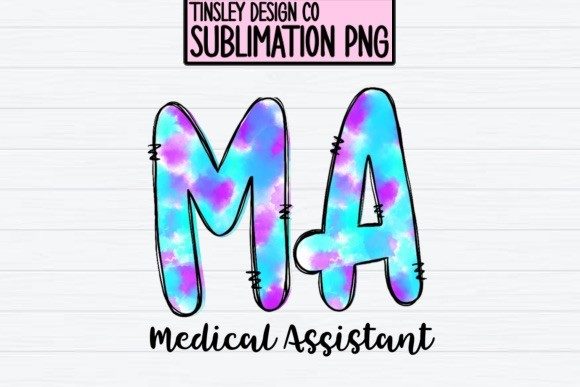
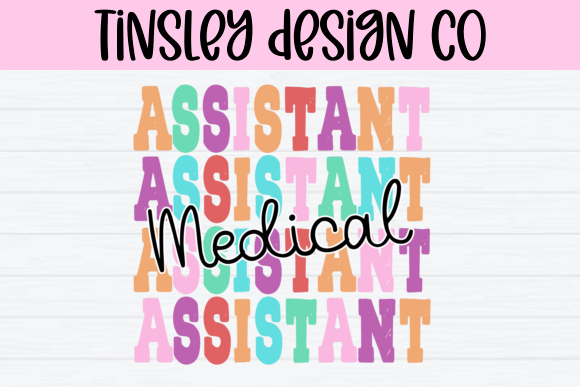
When I first opened PNG Sublimation Medical Assistant Ma, the immediate impression was one of professional warmth. The design carries a mood that balances clinical precision with human care, which is exactly what you want when creating items for healthcare workers. The layout feels intentional, avoiding the cluttered look that plagues so many stock graphics. For an embroidery designer, clean lines and clear shapes are non-negotiable. If a design is too busy, it becomes a nightmare to digitize or apply.
The visual personality here suggests durability and pride. It is not overly cute, nor is it sterile. This makes it a strong candidate for a wide range of Crafts and Graphics applications. Whether you are designing for a seasoned nurse with twenty years of experience or a student just starting their clinical rotations, the aesthetic respects the profession. As a reviewer, I look for designs that tell a story without shouting, and this element manages to do just that through its balanced composition.
Real-World Application: The Custom Tote Scenario
To truly test the viability of any design, I imagine it in a specific, tangible product. Let’s say I am preparing a custom order for a local nursing school’s graduation gift. I need to create a sturdy canvas tote bag that will hold textbooks, stethoscopes, and scrubs. This is where PNG Sublimation Medical Assistant Ma shines.
Since this is a PNG, my primary method of application would be sublimation on a polyester-coated canvas or using it as a guide for HTV cutting. If I were to use it as a reference for a printed patch that I then embroider around, the clarity of the PNG ensures that the edges remain sharp. Imagine applying this design to the center of a natural-colored tote. The contrast allows the medical theme to pop without overwhelming the bag’s utility. Customers reacting to this product would likely appreciate the professionalism; it feels like a boutique item rather than a generic promotional giveaway.
Beyond tote bags, consider sweatshirt embroidery. If you are using this PNG to create a heat-transfer applique, you can iron the printed design onto a fleece hoodie and then satin stitch around the edges. This technique gives the look of complex embroidery without the high stitch count that can make a garment stiff and uncomfortable. It is a smart workaround for custom apparel where comfort is key.
Navigating Fabric and Technique Constraints
While the design is strong, practical experience dictates that we must discuss where it might struggle. Because PNG Sublimation Medical Assistant Ma is a raster image, scaling it up too much for large hoop size projects can lead to pixelation. If you are planning a large back-piece for a jacket, ensure your original file resolution is high enough to support the expansion. Always check the DPI before committing to a large-format print.
Furthermore, consider the fabric texture. On smooth, tight-weave fabrics like broadcloth or high-quality polyester blends, the design will transfer cleanly. However, on textured fabrics like terry cloth towels or heavy denim, the finer details might get lost if you are relying solely on print methods. If you are using this as a template for machine embroidery design work, you must manually adjust for stitch density. Dense areas in the graphic may need to be simplified to prevent puckering, especially on stretchy fabrics like jersey knits used in baby embroidery items.
Dark fabrics present another challenge. Since this is a sublimation-ready PNG, it likely assumes a light background for optimal color vibrancy. If you are working on dark navy scrubs or black caps, you will need to use a white underbase or switch to a vinyl application method to ensure visibility. Never assume a standard print will show up on dark materials without proper preparation.
Enhancing Brand Value and Customer Trust
For Etsy sellers and small business owners, the perceived value of a product is tied directly to its presentation. Using a high-quality element like PNG Sublimation Medical Assistant Ma elevates the finished product. It signals to the buyer that care was taken in the design phase. When customers see crisp, well-placed graphics on their personalized gift items, their trust in your brand increases. This leads to repeat business and positive reviews, which are the lifeblood of any craft business.
This design also aids in brand consistency. If you are building a line of medical-themed accessories, having a cohesive visual style helps customers recognize your shop. Whether you are selling embroidered patches, aprons, or pillow covers, using reliable design assets ensures that every item meets a certain standard of quality. It moves your offerings from "homemade" to "handcrafted professional."
Practical Designer Notes for Best Results
Before you launch this into your next embroidery project, keep these practical tips in mind:
- Test on Scrap Fabric: Always run a test print or stitch-out on a piece of scrap material identical to your final product. This saves you from ruining expensive garments.
- Check Thread Color Contrast: If you are using this PNG as a guide for stitching, ensure your thread colors contrast sufficiently with the fabric. A low-contrast combination can make the design disappear from a distance.
- Verify Licensing: While this element is perfect for crafters and small business owners, always confirm the specific license terms. Ensure you are cleared for commercial use if you plan to sell the finished product.
- Stabilizer Selection: Even if you are sublimating, if you add any stitching around the design, use the correct stabilizer. Cut-away stabilizer is best for stretchy fabrics, while tear-away works for stable wovens.
- Mockup Testing: Create black and white mockups to check the readability of the design. If it loses definition in grayscale, it may be too detailed for small-scale applications like holiday embroidery on ornaments or small patches.
In conclusion, PNG Sublimation Medical Assistant Ma is a robust tool for the modern creator. It bridges the gap between digital ease and physical craftsmanship. By understanding its strengths in sublimation and print-and-cut workflows, and respecting its limitations regarding scale and fabric choice, you can create stunning, professional-grade items. Whether you are a hobbyist making gifts for friends or an entrepreneur building a small shop product line, this design offers the versatility and quality needed to succeed in today’s competitive market.