One Hip Nurse: A Designer’s Take on Practical Embroidery Use
As a designer who spends half my life digitizing files and the other half stitching them out, I have learned to look past the glossy mockups. When I evaluate a new asset like One Hip Nurse, I am not just looking at the aesthetic; I am mentally running it through the machine. I am thinking about thread breaks, fabric distortion, and whether the final product will hold up after three washes. This review is for the embroidery designers, Etsy sellers, and craft business owners who need to know if this graphic is worth their time and materials.
First Impressions and Visual Personality
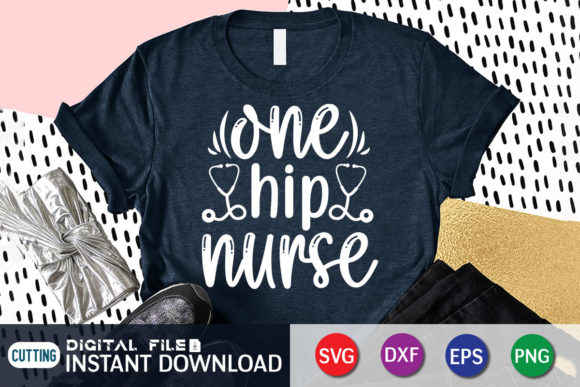
The first thing that strikes me about One Hip Nurse is its confident, playful attitude. It is not a sterile medical graphic; it has personality. The layout suggests a design that relies heavily on clean lines and bold shapes rather than intricate shading. For an embroidery project, this is often a good sign. Complex gradients rarely translate well to thread, but strong silhouettes do. The mood here is professional yet approachable, making it ideal for personalized gifts or boutique branding where you want to convey warmth alongside competence.
From a graphics perspective, the balance between text and imagery seems intentional. In embroidery, we always worry about legibility. If the text is too thin or the details are too cramped, they disappear into the fabric texture. This design appears to prioritize clarity, which is crucial when you are working with satin stitch borders or fill stitch areas that might pull on lightweight fabrics.
Real-World Application: The Custom Tote Test
To truly understand how One Hip Nurse performs, let’s imagine a real-life scenario. You have a client who wants a set of custom tote bags for a nursing graduation party. They want something durable, stylish, and clearly themed without being overly clinical. This is where the design shines.
When preparing this for a tote bag, I would immediately consider the hoop size. Tote bags are large, flat surfaces, giving you freedom, but you must ensure the design is scaled correctly so it doesn’t look lost. I would likely center the graphic on the front panel. Because this is a digital download containing SVG, DXF, and EPS files, you have the flexibility to resize without losing quality. However, remember that resizing for embroidery requires re-digitizing or careful adjustment of stitch density if you are converting these vector paths into a machine embroidery design yourself.
If you are using this as a cut file for an applique design, the layers become critical. The description notes "WORD BY LAYER SVG FILES," which is a massive advantage. It means you can separate the text from the graphic elements. For a tote bag, I might choose to embroider the main graphic in a solid fill stitch and use a contrasting thread color for the text, or even cut the text from heat transfer vinyl for a mixed-media look. This versatility adds value to your handmade product and allows for creative experimentation.
Fabric and Stitch Considerations
Not every fabric behaves the same way. When applying One Hip Nurse to different materials, keep these practical notes in mind:
- Sweatshirts and Hoodies: These are popular items for custom apparel. The thick pile of fleece can swallow small details. Ensure that any running stitch elements are dense enough to be visible. A proper stabilizer is non-negotiable here to prevent the design from sinking into the fabric.
- Caps and Hats: Curved surfaces are tricky. If you plan to put this on a cap, check the width of the design. If it is too wide, it will distort around the curve. You may need to reduce the size significantly, which could impact the readability of any text included in the graphic.
- Baby Clothes: Softness is key. Avoid dense fill stitches that create a stiff patch on delicate cotton. Consider using lighter thread colors and ensuring the back of the embroidery is clean and free of scratchy jump stitches.
- Dark Fabrics: Thread color contrast is vital. Test your design in black and white mockups first. If the design relies on subtle shading, it will vanish on a black sweatshirt. Bold, high-contrast thread choices work best here.
Commercial Viability for Small Shops
For Etsy sellers and small shop owners, the commercial potential of One Hip Nurse lies in its niche appeal. Nursing is a huge market for personalized gifts. Whether it is for a shift change gift, a retirement present, or a team uniform accent, this design fits seamlessly into those categories. It works well as an embroidered patch, which can be ironed or sewn onto scrubs or jackets, offering a non-permanent option for professionals who may change jobs.
However, before listing finished products, you must verify the license. The product description states it is a digital download with no physical product included. It provides vector files suitable for cutting machines like Cricut and Silhouette. If you are using this for machine embroidery, you are likely converting these vectors or using them as a reference for digitizing. Always confirm whether the creator allows commercial use of the finished embroidered items. Most designers do, but assuming so can lead to legal issues. Check the specific terms provided with your ZIP folder.
Technical Workflow and Best Practices
Since you receive SVG, DXF, and EPS files, your workflow will likely involve importing these into your embroidery software to generate the stitch file. Here is how I approach such assets:
- Inspect the Layers: Open the SVG in your design software. Ensure the layers are clean and closed paths. Open paths can cause stitching errors.
- Digitize with Care: Do not just auto-digitize. Adjust the stitch direction to follow the contours of the design. For text, use satin stitches for a premium look, but keep the column width manageable to avoid thread snags.
- Test on Scrap Fabric: Never run a new design on your final product first. Use a similar fabric weight and type to test tension and registration.
- Check Stitch Density: High density can cause puckering, especially on stretchy fabrics. Reduce density if necessary and use a cut-away stabilizer for stability.
Final Verdict
One Hip Nurse is a solid addition to a crafter’s library, particularly for those focusing on healthcare-themed crafts. Its strength lies in its clear, bold composition which translates well to various mediums, from cut vinyl to embroidered thread. It is not just a graphic; it is a versatile asset that, when handled with technical care, can elevate your handmade products. Whether you are creating holiday embroidery for a nurse’s family or stocking your small shop with unique apparel, this design offers the professional polish customers expect. Just remember to respect the technical limits of your machine and fabric, and always prioritize a clean, stable stitch-out over speed.