Nurse Nutrition Facts 16 Oz Libbey Glass Design Review
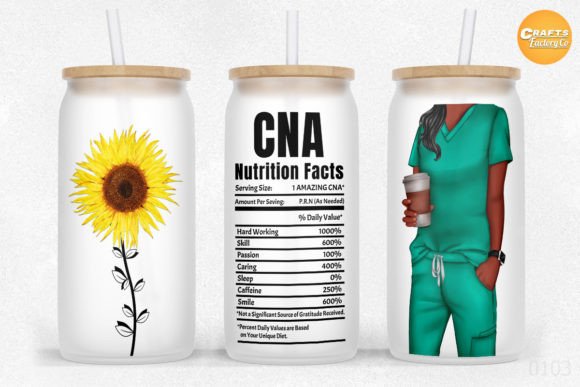
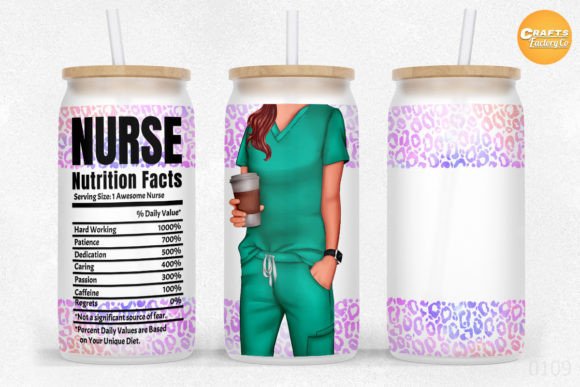
As a designer who spends half my life digitizing and the other half stitching, I have learned to look past the glossy preview images. We all know that what looks crisp on a screen can sometimes turn into a tangled mess of thread on fabric. When I first encountered the Nurse Nutrition Facts 16 Oz Libbey Glass concept, my initial reaction was one of cautious curiosity. This is not your typical floral monogram or standard medical cross. It is a playful, text-heavy graphic that mimics a nutritional label, tailored specifically for healthcare professionals. But here is the catch: this specific product listing describes a sublimation wrap for a glass tumbler, provided as a PNG graphic.
For those of us in the embroidery world, this presents a unique challenge and an opportunity. While the source material is a digital graphic intended for heat transfer or sublimation on hard surfaces like a 16 oz Libbey glass can tumbler, the design aesthetic itself holds significant value for our craft. The question is not just whether the image is cute—it is—but how we translate this visual language into a tangible machine embroidery design or use it as a reference for hybrid projects. Let us break down how this theme performs when moved from the digital realm of Graphics into the tactile world of Crafts.
The Visual Personality and Mood
The "Nutrition Facts" parody is a staple in nurse apparel because it speaks directly to the chaotic, caffeine-fueled reality of hospital life. The layout is structured, grid-like, and relies heavily on typography. In embroidery, text is always the hardest element to master. When evaluating this concept for a real project, such as a custom tote bag or a staff appreciation gift, the mood is instantly recognizable: humorous, relatable, and professional enough for casual wear. The stark black-and-white contrast of a traditional nutrition label translates well to thread, provided you choose high-contrast thread colors. A white background with black satin stitch lettering creates a clean, modern look that appeals to younger nurses and seasoned practitioners alike.
Real-World Application: From Screen to Stitch
Imagine you are preparing a batch of personalized gifts for a nursing unit. You might consider using this design concept on a heavy canvas tote bag design or a structured cap. However, because the original asset is a PNG meant for sublimation, you cannot simply load it into your embroidery machine. You must either digitize it yourself or find a converted embroidery file. If you are digitizing this from scratch, pay close attention to the small print. In the real world, tiny lettering below a certain height becomes illegible once stitched out. I recommend simplifying the smaller details and focusing on the bold headers like "Caffeine," "Patience," and "Humor."
For a sweatshirt embroidery project, this design works best on the back or as a large chest piece. The grid structure allows for creative use of fill stitch backgrounds and satin stitch borders. If you are creating a handmade product for an Etsy shop, consider pairing the embroidered design with a printed patch. This hybrid approach respects the original PNG format while adding the premium texture of embroidery. An embroidered patch can be hooped separately, allowing for higher density and finer detail without worrying about fabric distortion, then sewn onto a scrub cap or apron.
Technical Considerations for Embroiderers
When adapting a graphic-heavy concept like this, stitch density is your biggest enemy and your best friend. Too dense, and the fabric will pucker; too light, and the backing will show through. For a project like this, a medium-density fill is ideal for the larger blocks of color, while running stitches should define the outer borders to keep the edges crisp. Always test the design on scrap fabric first. I specifically look for how the corners of the "label" box hold up. Sharp corners in embroidery require careful underlay stitching to prevent rounding.
Fabric choice matters immensely. A smooth cotton twill or a sturdy polyester blend works best for this type of detailed work. Avoid highly textured fabrics like terry cloth or loose-weave linen, as the fine lines of the nutrition facts table will get lost in the pile. If you are working on stretchy fabric, such as a performance scrub top, a cut-away stabilizer is non-negotiable. Without proper support, the tension of the stitches will distort the rectangular shape of the design, making it look warped rather than intentional.
Commercial Viability and Brand Consistency
For Etsy sellers and small business owners, this design theme has high commercial potential. Nurses are a loyal demographic that appreciates humor and recognition. A personalized gift featuring this motif can command a higher price point if the execution is flawless. However, professionalism is key. Sloppy stitching or misaligned text can damage your brand reputation. Ensure that your finished product looks as good from the back as it does from the front. Trim jump threads meticulously and press the item carefully to flatten any hoop marks.
It is crucial to remember the licensing implications. The original product is a digital graphic for sublimation. If you plan to sell items based on this concept, ensure you have the rights to use the specific artwork or that you have created your own digitized version from scratch. Do not assume that buying a PNG gives you the right to mass-produce embroidered goods unless explicitly stated. Always check the license terms for both personal and commercial use.
Final Designer Notes
Before committing to a full production run, create a few printable mockup versions to visualize the scale. Check the design in black and white to ensure contrast is sufficient. If you are new to digitizing text-heavy designs, start with a larger hoop size to give yourself more room for error. Remember, the goal is clarity. The joke only lands if the text is readable. Whether you are making a holiday embroidery gift for a colleague or stocking your small shop product line, treat this design with the same rigor you would apply to any complex logo. The result should be a durable, washable, and visually striking tribute to the hardworking nurses who keep our healthcare system running.