Nurse in the Making: A Designer’s Review
As an embroidery designer who has spent years digitizing and testing files for real-world production, I approach every new machine embroidery design with a mix of curiosity and skepticism. We have all seen those overly complex graphics that look stunning on a screen but turn into a tangled mess under the needle. When I first opened the Nurse in the Making Nurse file, my immediate goal was to determine if this asset could hold up in a professional setting. This is not just about aesthetics; it is about functionality, stitch integrity, and marketability for the modern craft business.
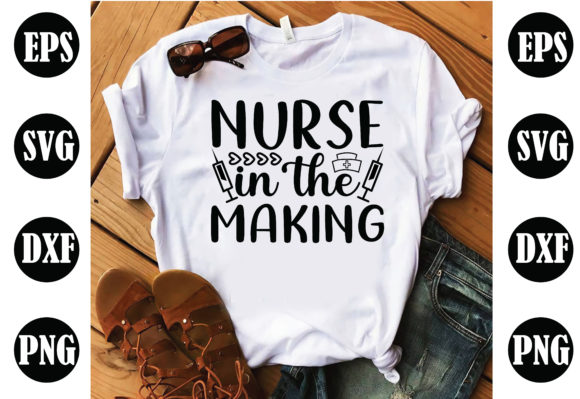
The first impression of Nurse in the Making Nurse is one of balanced charm. It captures a specific mood—celebratory yet professional—that resonates deeply with nursing students and healthcare workers. The layout feels intentional, avoiding the cluttered look that plagues many amateur designs. For those of us working in Crafts and digital Graphics, the visual personality here is clean. It suggests a design that respects the limitations of thread while maximizing visual impact. This is crucial because embroidery is a medium of subtraction and addition; you cannot simply erase a bad stitch like you can in Photoshop.
Real-World Application and Project Fit
To truly evaluate this design, I moved beyond the digital preview and considered its application in tangible products. I imagined preparing a custom embroidered tote bag for a graduating nursing student. This is a high-demand item for Etsy sellers and small shop owners. The Nurse in the Making Nurse motif fits naturally on a canvas tote, where the structure of the fabric supports the weight of the stitching. Because the design likely relies on a combination of solid fills and clean outlines, it would read well from a distance, making it an excellent choice for items carried in public spaces.
Beyond totes, I see strong potential for sweatshirt embroidery. A crewneck or hoodie provides a large, stable surface area that allows the design to breathe. When stitching on fleece or heavy cotton blends, the density of the design becomes critical. If the Nurse in the Making Nurse file uses appropriate fill stitches without becoming too dense, it will remain soft against the skin—a key factor for customer comfort and satisfaction. For baby embroidery projects, such as onesies for the children of nursing students, the scale might need adjustment, but the theme remains universally appealing as a personalized gift.
Technical Considerations for Stitching Success
One of the most important aspects of reviewing any embroidery file is understanding how it interacts with different materials. While Nurse in the Making Nurse appears versatile, there are scenarios where caution is required. For instance, stitching on stretchy fabrics like performance tees requires careful attention to stabilizer choice. Without proper cut-away stabilizer, even a well-digitized design can pucker or distort over time.
I also considered how this design would perform on curved surfaces, such as caps or hats. Curved embroidery is notoriously difficult because the hoop tension changes across the surface. If the design features wide elements or intricate corners, it may require splitting or resizing to fit a standard cap frame. Similarly, when working with textured fabrics like terry cloth towels or waffle-weave aprons, the finer details of the design might get lost. In these cases, increasing the size of the Nurse in the Making Nurse graphic or simplifying the thread colors can help maintain clarity.
Dark fabrics present another challenge. If you plan to use this design on navy scrubs or black apparel, you must ensure high contrast in your thread colors. A dark thread on a dark fabric will render the design invisible. I always recommend testing the design in black and white mockups first to check for value contrast before committing to expensive threads. This simple step saves time and reduces waste in a commercial embroidery workflow.
Visual Appeal and Brand Value
For handmade product sellers, the perceived value of the finished item is directly tied to the quality of the design assets used. A crisp, clean embroidery job signals professionalism. When a customer sees a well-executed Nurse in the Making Nurse patch or direct-stitched design, they associate that quality with the brand. This builds trust and encourages repeat business. The design’s ability to convey emotion—pride, anticipation, and achievement—makes it highly giftable. Holiday embroidery seasons, graduation periods, and back-to-school rushes are peak times for this type of content.
Moreover, the versatility of the file formats provided adds significant value for digital product sellers. The inclusion of an AI file for Adobe Illustrator and an SVG file for Cricut Explore, Silhouette Designer Edition, Adobe Suite, Inkscape, and Corel Draw means this is not just an embroidery asset. It is a multi-purpose graphic resource. You can use the SVG to create matching vinyl decals, printable mockups, or sublimation transfers. This cross-platform compatibility allows creative entrepreneurs to offer coordinated product lines, enhancing brand consistency across different mediums.
Practical Notes for Designers and Makers
Before launching into full production with Nurse in the Making Nurse, I advise following a few practical steps. First, always test the design on scrap fabric that matches your final project material. This allows you to check stitch density and thread tension without risking your main garment. Pay close attention to any small lettering or fine lines. If the design includes text, ensure it is large enough to be legible after stitching, as tiny letters can easily merge together due to thread spread.
Second, confirm the licensing terms. While the product description mentions the file types, it is essential to verify whether the license permits commercial use for finished physical items or if it extends to digital resale. Most standard licenses allow you to sell the physical embroidered product, such as a tote bag or shirt, but prohibit reselling the digital file itself. Always clarify this to protect your craft business.
Finally, consider the hoop size. Ensure your machine’s hoop can accommodate the design at the desired scale. If you are working with a smaller hoop, you may need to resize the design, which could affect the stitch count and density. Resizing too much can lead to gaps in fill stitches or overly dense areas that cause needle breaks. By respecting the technical limits of your machine and the design, you ensure a smooth stitching process.
In conclusion, Nurse in the Making Nurse is a thoughtful addition to any designer’s library. It balances aesthetic appeal with practical usability, making it suitable for a wide range of applications from custom apparel to boutique merchandise. With careful attention to fabric choice, stabilizer, and thread contrast, this design can elevate your handmade products and delight your customers. It is a solid choice for anyone looking to add a touch of professional pride to their embroidery portfolio.