Medical Symbols: Essential Graphics for Crafts
As a graphic designer who has spent over a decade refining brand identities and preparing files for print-on-demand production, I approach every new graphic design asset with a critical eye. We are not just looking for pretty pictures; we are looking for utility, scalability, and commercial viability. Recently, I had the opportunity to review a specific collection titled Medical Symbols, and I want to share my practical assessment of how these assets perform in real-world client projects.
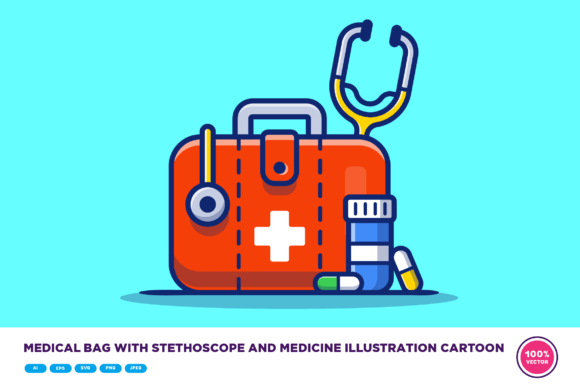
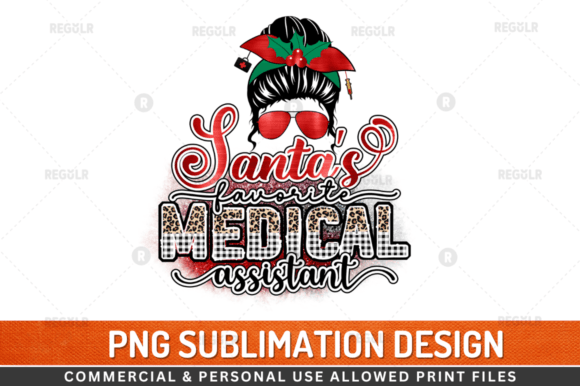
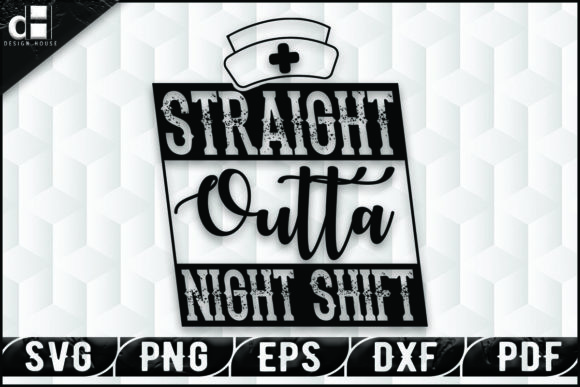
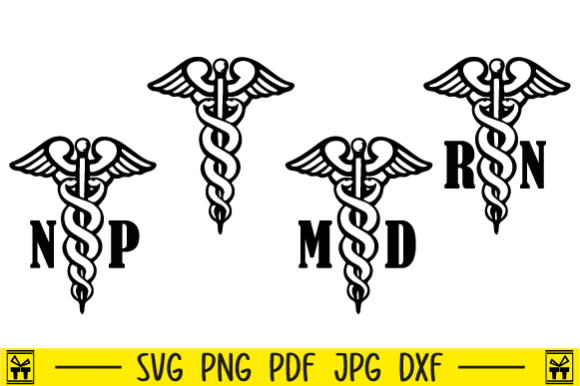
The first impression of this bundle is one of clarity and purpose. In the realm of medical branding and healthcare marketing, ambiguity is the enemy. The four designs included in this pack immediately communicate professionalism. They do not rely on overly complex gradients or trendy effects that might date quickly. Instead, they offer clean lines and recognizable iconography that resonate with trust and care. For a designer working on a project for a local clinic, a pharmacy startup, or a wellness blog, this visual mood is exactly what is needed to establish credibility from the first glance.
Integrating Medical Symbols into Brand Identity
When I consider where Medical Symbols fits best, my mind goes immediately to brand identity systems. A logo is only as strong as its simplest application. These symbols are versatile enough to serve as the cornerstone of a logo design or as supporting elements in a broader visual system. Because the product includes SVG, DXF, PDF, PNG, and JPG formats, the workflow is seamless whether you are designing for digital screens or physical prints.
For clients in the handmade business sector, such as those creating custom first-aid kits, nurse appreciation gifts, or health-themed journals, these graphics are invaluable. The SVG format is particularly crucial here. It allows for infinite scaling without loss of quality, which is essential when moving from a small sticker design to a large banner. I tested the vector files in Adobe Illustrator, and the paths were clean, requiring minimal cleanup. This efficiency saves billable hours, a factor every freelance designer appreciates.
Performance Across Digital and Print Media
Beyond static branding, I evaluated how these assets perform in dynamic marketing environments. For social media graphics, the PNG files with transparent backgrounds are ready to drop into Canva templates or Photoshop compositions. I imagined using these symbols for Instagram posts promoting flu season vaccinations or Pinterest pins linking to health tips. The high contrast of the black-and-white base designs ensures they remain visible even on busy feeds.
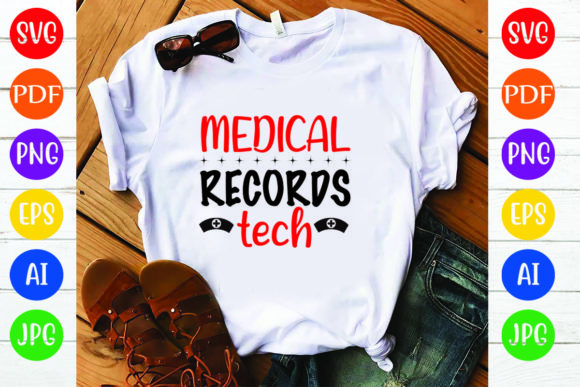
In the world of Cricut projects and DIY crafts, the DXF and SVG files are the gold standard. I can easily see crafters using these symbols for vinyl decals on water bottles, t-shirt design heat transfers, or tote bag embellishments. The simplicity of the four designs means they cut cleanly without excessive weeding time. For sellers on Etsy or those running a print-on-demand shop, having a reliable medical-themed clipart set expands their product catalog significantly without the need to create original illustrations from scratch.
Strategic Placement and Visual Hierarchy
Understanding where to place these graphics is key to maintaining visual hierarchy. These symbols work exceptionally well as hero graphics on landing pages or as focal points on packaging design. For example, on a box of organic supplements, a clean medical symbol can anchor the layout, drawing the eye before the consumer reads the ingredient list. They also serve beautifully as decorative accents in editorial design, breaking up long blocks of text in health newsletters or brochures.
However, there are contexts where caution is required. While these symbols are strong, they should be used carefully in minimalist branding where every element must carry significant weight. If your client’s brand relies on ultra-thin typography and vast white space, a bold medical icon might overwhelm the composition. Additionally, avoid placing these detailed symbols on low-contrast backgrounds or within crowded layouts where they might lose definition. Always ensure there is sufficient breathing room around the graphic to let it speak clearly.
Technical Review and Designer Notes
Before delivering any final files to a client, I run a series of technical checks. Here is my process for evaluating the Medical Symbols bundle:
- Contrast Testing: I placed the PNGs on both pure white and deep navy backgrounds. The transparency held up well, but I recommend adding a subtle drop shadow or stroke if the background color is too similar to the symbol’s color.
- Scalability Check: I scaled the SVG down to 16x16 pixels for a favicon test and up to billboard size. The vector integrity remained intact, proving its suitability for responsive web design and large-format printing.
- Font Pairing: These symbols pair excellently with clean sans serif fonts for a modern, clinical look. They also create an interesting juxtaposition when paired with elegant script fonts for boutique wellness brands, softening the clinical edge.
- Print Quality: I sent the PDF and JPG files to a local printer for a test run on matte cardstock. The resolution was sharp, with no pixelation, confirming their viability for high-quality printable design products like business cards or flyers.
It is also vital to discuss licensing. As a professional, I always verify the commercial license terms before using any digital product in client work. This bundle is designed for commercial use, which means you can confidently incorporate these assets into logos, merchandise, and marketing visuals for paying clients. However, always read the specific terms provided by the creator to ensure compliance with redistribution rules.
Final Verdict for Creative Professionals
In conclusion, Medical Symbols is a robust addition to any designer’s toolkit. It bridges the gap between functional utility and aesthetic appeal. Whether you are building a small business branding package for a new physiotherapy clinic, creating sublimation designs for nurse mugs, or developing a comprehensive design bundle for a health-focused marketing campaign, these four designs deliver consistent performance.
The inclusion of five different formats ensures that no matter the medium—be it a Cricut cut, a web banner, or a printed brochure—you have the right file type at hand. For designers who value efficiency and quality, this collection reduces the friction of asset creation and allows more time to focus on strategy and layout. It is a practical, polished, and professional resource that earns its place in the creative marketplace.